Buy Now, Pay Later: What Really Happens If You Miss a Payment?
BNPL feels like “free breathing room,” until a due date slips. Here’s what late fees, collections, and credit reporting can look like—and how to recover fast.
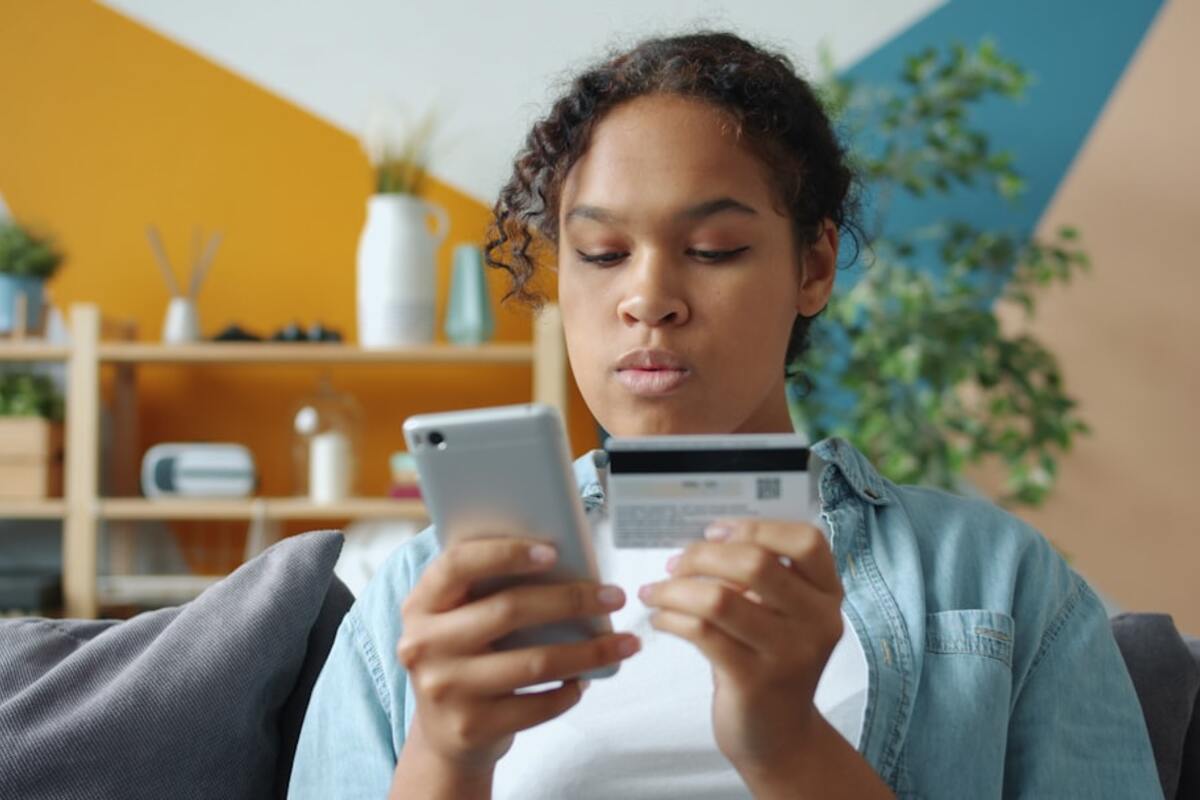
BNPL in real life: it feels like a small thing—until it isn’t
Buy Now, Pay Later (BNPL) is everywhere: at checkout for sneakers, airline tickets, furniture, even groceries. It’s marketed as an easy way to split a purchase into smaller chunks—often “4 payments” or “monthly installments.” For many people, it really is convenient. The problem is that it can feel so casual that it’s easy to underestimate what happens when you miss a payment.
Imagine this: you buy a $240 jacket and choose “Pay in 4.” That’s four payments of $60, usually every two weeks. The first $60 comes out right away, and you feel fine—because the jacket is already on your chair, and the next due date is “future you’s problem.” Then your car needs a new battery. Then your friend’s birthday dinner happens. Then one morning you wake up to a notification: payment failed. You think, “It’s just one installment. I’ll fix it tomorrow.”
BNPL “tomorrow” can turn into late fees, frozen accounts, and in some cases collection activity—sometimes before you’ve even emotionally registered that it’s debt.
To make this easier to understand, it helps to think of BNPL as a very short, very specific kind of loan with a tight schedule. The payments are smaller than a typical credit card bill, but the due dates are frequent and the margin for error is thinner. That combination—small amounts + frequent deadlines—creates a perfect environment for accidental late payments.

What actually happens when a BNPL payment is late (step by step)
Not all BNPL providers behave the same way, and the exact consequences depend on the plan type, the merchant, and your history. But the “late payment chain reaction” usually follows a recognizable pattern.
1) The payment fails (and you may not notice immediately)
Most BNPL services try to charge the card or bank account you linked. If there isn’t enough money, the card is expired, or your bank blocks the charge, the payment can fail. Sometimes you’ll get a push notification or email. Sometimes it’s buried in an inbox.
2) They retry the charge
Many providers attempt multiple re-charges over the next few days. This matters because if you’re juggling your bank balance, a surprise re-try can hit right after you’ve paid rent or bought groceries. If your bank charges NSF/overdraft fees, the missed BNPL payment can trigger additional costs on the banking side—separate from any BNPL late fee.
3) Late fees may kick in (depending on the provider and location)
Some BNPL plans charge late fees, while others say they don’t. Even when late fees are “capped,” a few small fees across multiple purchases can add up quickly. A missed $60 installment can become “$60 + fee + bank overdraft,” which is a very different problem.
4) Your account can be frozen or your spending limit reduced
A common consequence is losing access to BNPL for new purchases until you’re current again. This is one of the biggest practical impacts for everyday users: you go to use BNPL for something important (like replacing a laptop charger) and it’s suddenly unavailable. Providers may also reduce the amount they’ll approve you for in the future.
5) Collections can happen—sometimes sooner than people expect
If a payment remains unpaid, the account may be escalated internally or sent to a collection agency. People often associate collections with “big debts,” but BNPL balances can still be referred to collections, especially if you ignore reminders. This can be stressful even if the original amount was small.
6) Credit reporting: “maybe” today, “more likely” tomorrow
This is the part that confuses most shoppers. Some BNPL products are designed to be “light” and don’t traditionally report to credit bureaus the way credit cards do. But the landscape has been changing: some providers and certain plan types may report, and reporting practices can evolve over time. The safest assumption is: a missed payment can follow you, especially if it ends up in collections or if your BNPL plan is one that reports.
To make this feel less abstract, here’s a simple comparison of what “late” can mean across common borrowing tools:
| Tool | Typical due rhythm | Common immediate consequence | Longer-term risk |
|---|---|---|---|
| BNPL “Pay in 4” | Every 2 weeks (fast) | Re-tries, late fee (sometimes), account freeze | Collections; possible credit impact depending on reporting/collections |
| Credit card | Monthly | Late fee; interest continues | Credit score damage after delinquency thresholds; long-term interest cost |
| Personal loan | Monthly (fixed) | Late fee; formal delinquency process | Credit reporting; collections; legal action in severe cases |
BNPL’s biggest “gotcha” is that the amounts look small, but the schedule is intense. If you have three different BNPL purchases going at once, you can end up with multiple due dates each week. That’s not morally “bad”—it’s just easy to lose track.
How to avoid the late-payment spiral (without giving up BNPL)
If BNPL helps you smooth out cash flow—and you use it intentionally—you don’t necessarily need to quit it. The goal is to keep it from becoming a scattered set of mini-bills that sneak up on you.
Think of BNPL as a calendar problem before it’s a money problem
Many missed payments aren’t caused by total inability to pay. They happen because the due date wasn’t top-of-mind on the right day. Treat BNPL like appointments.
- Set two reminders per payment: one 48 hours before and one the morning of the due date.
- Match due dates to payday when possible: if a provider offers different schedules, choose the one that lines up right after your paycheck.
- Keep BNPL in one place: a simple note titled “BNPL due dates” with four lines can prevent chaos.
Use a “BNPL parking spot” in your bank account
One practical trick: the day you make a BNPL purchase, move the remaining scheduled payments into a separate savings sub-account (or a dedicated envelope category in your budgeting app). Example: you buy the $240 jacket and pay $60 today. Immediately move $180 into a “BNPL” pocket. Now the money is already reserved, so future payments don’t compete with random spending.
Autopay is helpful—but only if your balance can handle it
Autopay can prevent forgetfulness, but it can also cause “surprise” withdrawals at the worst time. If you’re living close to the edge of your account balance, set alerts for low balances and keep a small buffer so BNPL withdrawals don’t trigger overdrafts.
Limit the number of simultaneous plans
A simple personal rule works better than complex budgeting: “No more than two BNPL plans at once,” or “Only one plan per category (clothes, electronics, home).” BNPL stops being manageable when you have six separate due schedules.
Know the difference between ‘missed’ and ‘late’ in practice
Some providers consider you late immediately after a failed charge; others have a short grace period. The safest move is to treat a failed payment as urgent even if the interface looks calm. The earlier you fix it, the fewer layers get added (fees, restrictions, escalations).
If you’ve already missed a payment: a realistic recovery script
When people miss a BNPL payment, they often feel embarrassed and avoid opening the app. But BNPL problems shrink dramatically when handled early. Here’s a simple sequence that keeps you in control:
- Update the payment method (expired card and bank blocks are common).
- Pay the missed installment first, then check the next due date so you’re not surprised again in a few days.
- Turn on notifications inside the BNPL app and in your bank app.
- If the schedule is impossible, contact support early: some services offer options like changing the payment date or setting up alternative arrangements. You won’t know unless you ask.
Watch for “stacking” at checkout
BNPL can make expensive carts feel cheap: $400 turns into “only $100 today.” One mental guardrail is to always look at the total and say it out loud (even quietly): “This is a $400 purchase.” If you wouldn’t buy it at $400, splitting it doesn’t change the underlying cost—it just changes the timing.
No. A credit card is revolving credit with a monthly bill and interest if you carry a balance. Many BNPL plans are installment-based with fixed payments and short timelines. The risk profile is different: BNPL is often easier to “stack” across multiple purchases, which can make due dates harder to track.
No. A credit card is revolving credit with a monthly bill and interest if you carry a balance. Many BNPL plans are installment-based with fixed payments and short timelines. The risk profile is different: BNPL is often easier to “stack” across multiple purchases, which can make due dates harder to track.
It depends on the provider and plan type, and on whether the account is sent to collections. Some BNPL products may report (or may begin reporting more broadly over time). Even when a plan doesn’t report directly, unresolved debt that goes to collections can show up and affect your credit profile.
It depends on the provider and plan type, and on whether the account is sent to collections. Some BNPL products may report (or may begin reporting more broadly over time). Even when a plan doesn’t report directly, unresolved debt that goes to collections can show up and affect your credit profile.
Choose fewer plans, keep a bigger cash buffer, and avoid schedules that will hit before your next reliable income date. A good rule is to only start a BNPL plan when you already have the money set aside for the remaining installments.
Choose fewer plans, keep a bigger cash buffer, and avoid schedules that will hit before your next reliable income date. A good rule is to only start a BNPL plan when you already have the money set aside for the remaining installments.
BNPL isn’t automatically a trap, and it isn’t automatically “free money.” It’s a tool that turns one big price into several smaller deadlines. When life gets busy, it’s the deadlines—not the total—that cause the trouble. If you treat those dates like real bills, you keep the convenience without letting a missed payment snowball into something that lasts longer than the purchase itself.